Dreaming about a home with a deep front porch, original character, and a neighborhood that feels connected to Knoxville’s past? Old North Knoxville stands out for exactly that reason. If you are considering a historic home here, it helps to know what daily life feels like, what makes the houses special, and what ownership can really involve. Let’s dive in.
What Old North Knoxville Feels Like
Old North Knoxville began as a streetcar suburb in 1889, and that history still shapes the neighborhood today. The area was designed around walkability, with wide sidewalks that helped residents reach the streetcar and commute downtown. North Knoxville was annexed into the City of Knoxville in 1897.
Today, Old North Knoxville is known for shaded streets, preserved historic character, and a mix of restored older homes and newer houses designed to fit the setting. Instead of a garage-first layout, the neighborhood reads more like a front-porch and sidewalk community. That creates a different feel from newer subdivisions, where larger driveways and auto-oriented layouts are more common.
The neighborhood also has a strong civic identity. Community meetings, socials, cleanups, and the long-running Victorian Holiday Home Tour are part of local life. For many buyers, that adds to the appeal because the experience is not just about buying an older house, but about living in a place where preservation and neighborhood involvement still matter.
Historic Homes and Architecture
One of Old North Knoxville’s biggest draws is its housing stock. The neighborhood includes homes built from the late 1800s through the early 1920s. You will see a wide mix of architectural styles, including Queen Anne, Queen Anne Cottage, Eastlake, Shotgun, Folk Victorian, Neoclassical Revival, Craftsman, and Bungalow.
Many homes do not fit neatly into one style. The official design guidelines note that it is common for houses here to blend characteristics from more than one architectural tradition. That gives the neighborhood visual variety while still maintaining a cohesive historic feel.
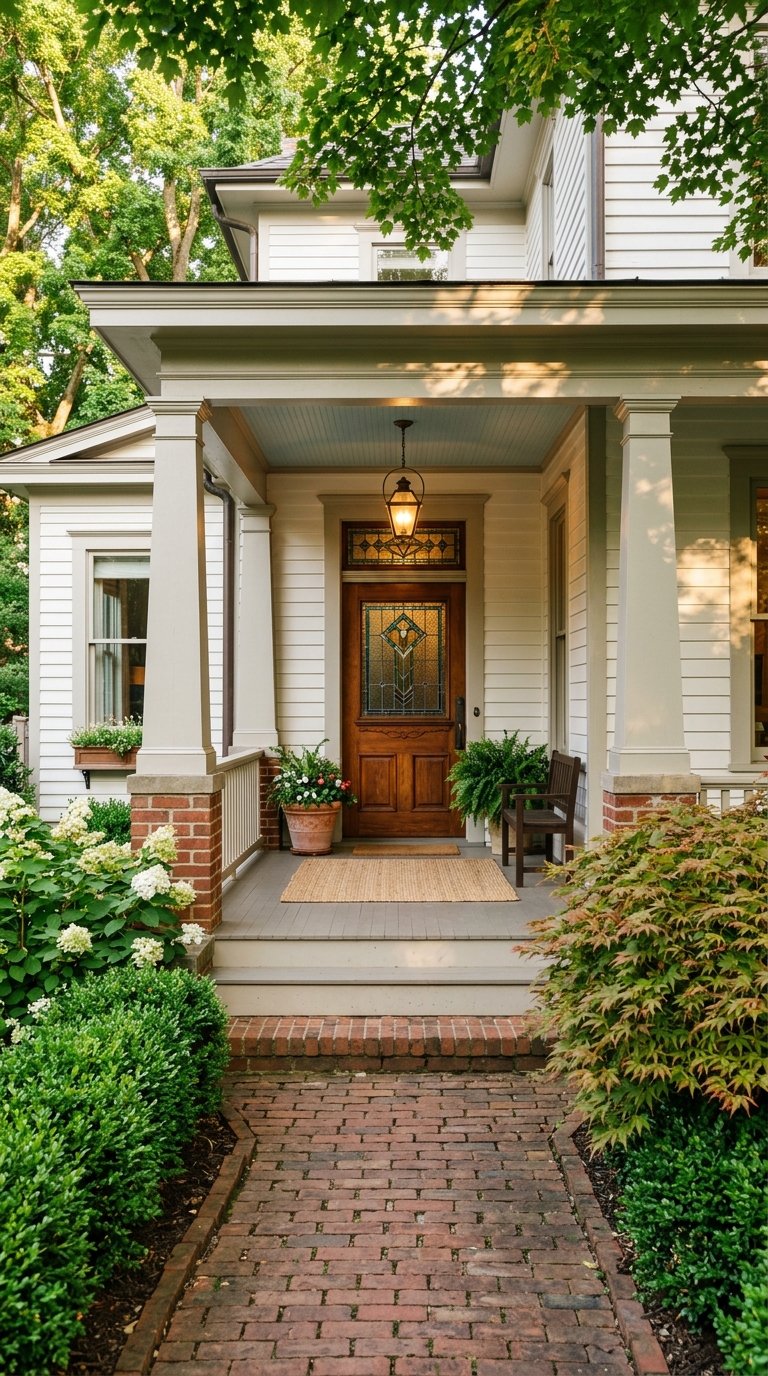
Porches are one of the strongest defining features. In fact, the design guidelines emphasize that almost every house in Old North Knoxville has a porch. That porch-centered design helps explain why the streetscape feels so welcoming and people-oriented.
Here are a few details you may notice as you explore the area:
- Queen Anne homes often feature large porches and elaborate ornamentation.
- Eastlake homes can include heavier wood trim and spindle details.
- Folk Victorian homes often show front gables and turned or chamfered porch posts.
- Craftsman and Bungalow homes typically have low-pitched roofs, wide eaves, exposed rafters, knee braces, and deep porches.
Inside, some homes still preserve original mantles, coal-burning fireplaces, and wide-plank floors. Others have been updated with modern conveniences after years of restoration. That means your options may range from a home with much of its original fabric intact to one that still needs major improvement work.
Why Buyers Love the Character
Historic homes in Old North Knoxville offer something hard to duplicate in newer construction. You are often getting mature trees, established sidewalks, distinctive architecture, and a streetscape shaped long before modern subdivision design became the norm. For buyers who want personality and a sense of place, that can be a major advantage.
The neighborhood is also not frozen in time. Some newer infill and rebuilt homes have been added in ways that fit the historic setting. That blend of old and new can appeal to buyers who want the charm of the area without limiting themselves to one type of property.
For many people, the biggest draw is the feeling of authenticity. The homes, porches, setbacks, and street layout all work together to create a setting that feels different from a typical newer neighborhood. If you value character over sameness, Old North Knoxville often stands out.
What to Know About Historic Overlay Rules
Many homes in Old North Knoxville are located in an H-1 historic overlay. This overlay was adopted by Knoxville City Council in 1992, and the city zoning code says its purpose is to preserve and protect historic structures. It also regulates construction, repair, alteration, rehabilitation, relocation, or demolition within the district.
For you as a buyer or owner, the practical takeaway is simple: exterior work on an H-1 property will often need review and approval. That does not mean change is impossible, but it does mean you should expect a more careful process than you would in a newer neighborhood.
The good news is that the rules focus on the exterior, not the interior. Interior layout changes, landscaping, and paint colors are generally not regulated by the Historic Zoning Commission. Exterior changes that affect roofing, windows, siding, additions, or demolition may require a Certificate of Appropriateness.
Exterior Features That Matter Most
If you are buying a historic home here, it helps to know which exterior elements get the most attention.
Rooflines and Scale
Roofs should keep a shape and pitch that are compatible with neighboring historic houses. If a future project changes the roof in a noticeable way, that can affect how the home fits into the district.
Porches
Porches are a defining feature of Old North Knoxville homes, so visible porch enclosures are discouraged. If a porch is one of the reasons you love the house, that same feature is also one of the reasons the district works so hard to preserve its character.
Windows
Original wood windows are strongly favored for repair and preservation. Storm windows can be acceptable if they do not obscure or damage the historic window. If you are comparing homes, window condition can be an important factor in both maintenance planning and future project costs.
Siding Materials
Vinyl, aluminum, and other synthetic sidings are not considered appropriate for existing or new houses in the district. Material choices matter here, so exterior updates need to be approached thoughtfully.
Additions
Additions are allowed, but they should typically go on the rear or an inconspicuous side of the house. They should also be scaled to the original structure and read as new work rather than trying to create a false historic copy.
The Reality of Maintaining a Historic Home
Owning a historic home in Old North Knoxville can be deeply rewarding, but it usually comes with more hands-on care. The design guidelines repeatedly stress moisture control, gutter maintenance, foundation planting management, and protecting porch and window materials. In practical terms, that means regular upkeep matters.
Older homes often respond best to thoughtful maintenance rather than quick fixes. Small issues with water, wood, or drainage can turn into larger repairs if they are ignored. Buyers who are comfortable with that responsibility often find the payoff is worth it.
This does not mean every home will be a major project. Some have already been carefully restored and adapted for modern living. Still, if you are shopping in Old North Knoxville, it is wise to look at condition, past updates, and future maintenance needs with clear eyes.
Daily Life and Nearby Amenities
Part of Old North Knoxville’s appeal is that the lifestyle extends beyond the house itself. The nearby Happy Holler and Central Avenue corridor adds a lot to everyday living. This area includes early-1900s commercial buildings and a mix of local businesses that help give the neighborhood its personality.
Nearby spots mentioned by Visit Knoxville include Wild Love Bakehouse, Pizzeria Nora, The Black Dog Brewhouse, Schulz Bräu, Central Cinema, The Oak Room by Abridged, Central Flats & Taps, The Marlowe, Jacks of Knoxville, and the Knoxville Children’s Theatre. For buyers, that supports the idea of living in an older residential area without giving up easy access to coffee, dining, and local gathering places.
Outdoor access is another plus. Beth Ann Booker Park is a pocket park in Old North Knoxville with a playground, gazebo, and paved trail. Caswell Park nearby includes Ashley Nicole Dream Playground, which the city describes as Knoxville’s first totally accessible playground, along with ballfields and other amenities.
If you enjoy walking, running, biking, or stroller-friendly routes, the Lower First Creek Greenway is especially useful. The city describes it as a 0.5-mile asphalt greenway for walking, running, bicycling, leashed dogs, skating, strollers, and wheelchair use. For a larger outdoor setting, Sharp’s Ridge Veterans Memorial Park offers scenic overlooks, unpaved trails, and over 156 acres of park space.
Old North Knoxville vs. Newer Suburbs
If you are deciding between Old North Knoxville and a newer suburban neighborhood, the biggest difference is not just the age of the homes. It is the overall form and feel of the community. Old North Knoxville is shaped by porches, sidewalks, narrower historic lot patterns, and a pedestrian-oriented layout.
Newer subdivisions often prioritize garages, wider driveways, and more auto-oriented circulation. Neither option is automatically better. It depends on what matters most to you.
The other major difference is renovation flexibility. In a newer neighborhood, exterior projects can be more straightforward. In Old North Knoxville, buyers should expect more review and more attention to details like materials, rooflines, porch features, and window proportions.
For many buyers, that tradeoff is worth it. In return, you get a stronger sense of architectural identity and a more distinctive streetscape than you will find in many postwar or recently built communities.
Is a Historic Home Here Right for You?
Old North Knoxville can be a great fit if you love architectural character, walkable streets, front-porch living, and a neighborhood with visible ties to Knoxville’s history. It may also appeal to you if you want a home that feels unique rather than interchangeable. The area offers a blend of preserved historic homes, restored properties, and compatible newer infill.
At the same time, it helps to be realistic. Historic-home ownership often requires patience, planning, and respect for the neighborhood’s preservation framework. If that sounds exciting rather than overwhelming, Old North Knoxville may be exactly the kind of place where you will feel at home.
If you are exploring historic homes in Knoxville and want clear, local guidance on what to look for, connect with Robyn Ray for personalized advice.
FAQs
What kinds of historic homes are found in Old North Knoxville?
- Old North Knoxville includes homes from the late 1800s through the early 1920s, with styles such as Queen Anne, Eastlake, Folk Victorian, Craftsman, Bungalow, Shotgun, Queen Anne Cottage, and Neoclassical Revival.
What does the H-1 historic overlay mean in Old North Knoxville?
- The H-1 historic overlay is intended to preserve and protect historic structures, and exterior work like roofing, windows, siding, additions, demolition, or major alterations may need review and approval.
Can you remodel the inside of a historic home in Old North Knoxville?
- Yes, interior layout changes and interior finishes are generally not regulated by the Historic Zoning Commission.
Are original windows important in Old North Knoxville historic homes?
- Yes, original wood windows are strongly favored for repair and preservation, and storm windows may be acceptable if they do not obscure or damage the historic window.
What is daily life like in Old North Knoxville?
- Daily life in Old North Knoxville often includes walkable streets, front porches, neighborhood events, nearby local cafes and restaurants in Happy Holler, and access to parks and the Lower First Creek Greenway.