If you like the idea of staying connected to Knoxville but want a different day-to-day feel, Seymour is worth a closer look. Many buyers assume moving outside Knoxville means a major price drop, but the real story is more about space, housing style, and pace of life. If you are weighing Seymour as an alternative, this guide will help you compare what changes, what stays similar, and what to think through before you make a move. Let’s dive in.
Seymour vs. Knoxville at a glance
Seymour and Knoxville are closer in price than many buyers expect. Current Realtor.com data shows a median listing price of $409,900 in Seymour compared with $429,900 in Knoxville. That is only about a 4.9% difference.
Price per square foot is also very close. Seymour is at $229 per square foot, while Knoxville is at $232. In other words, choosing Seymour is usually not about getting a dramatically cheaper home per square foot.
The bigger difference is inventory and setting. Knoxville has 3,115 active listings compared with 199 in Seymour, which means Knoxville has about 15.6 times as many options on the market. Seymour also has a slightly slower pace, with 58 median days on market versus 48 in Knoxville.
Why buyers consider Seymour
For many buyers, Seymour offers a more settled residential feel while still keeping Knoxville within reach. Census data shows Seymour has a 77.5% owner-occupied rate, compared with 46.6% in Knoxville. It also shows 92.1% of Seymour residents lived in the same house one year earlier, compared with 81.7% in Knoxville.
Population density tells a similar story. Seymour has 918.0 people per square mile, while Knoxville has 1,932.1. That lower density often translates into a quieter environment and a little more breathing room between homes.
If you want a place that feels less dense but still connected to the broader East Tennessee region, Seymour can be a strong fit. It offers a different living pattern, not just a different zip code.
What homes in Seymour tend to look like
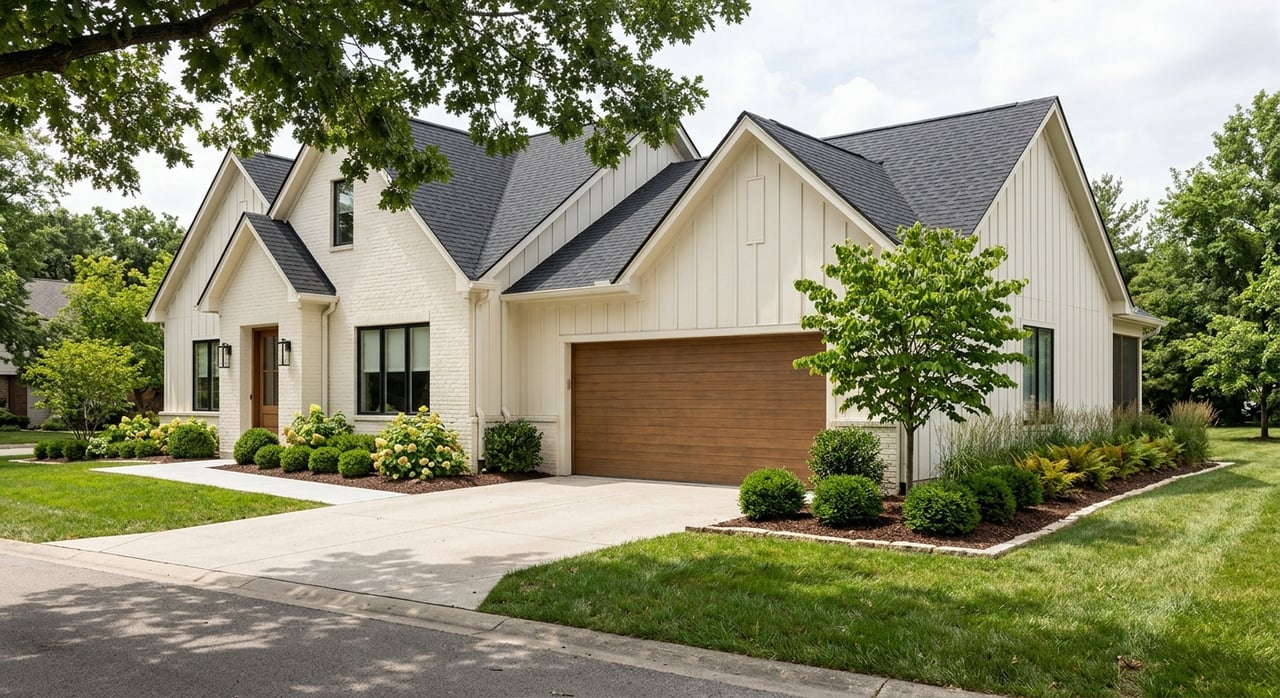
Seymour’s housing mix gives you a better sense of why buyers look there. Current listings include single-family homes, condos, townhomes, multi-family homes, mobile homes, farms, and land. Still, the market tends to skew toward detached homes and larger lots.
Current listing examples include homes on 0.23-acre, 0.35-acre, and 0.46-acre lots, along with properties on 1.2 acres, 5.52 acres, 10.89 acres, and even 65 acres. That range gives many Seymour properties a semi-rural feel, even when the home itself is not especially large.
By comparison, Knoxville’s inventory is broader and denser. It includes everything from condos with very small footprints to in-town lots around 5,227 to 7,841 square feet, along with suburban homes on larger parcels. If you are comparing the two markets, Seymour is often more about lot size and outdoor space, while Knoxville offers more attached-home and urban-lot options.
What you gain in Seymour
The biggest advantage for many buyers is space. That can mean a larger yard, more distance between neighbors, or a property shape that feels better suited to your lifestyle. If you have been frustrated by tighter lot lines or a denser setting, Seymour may feel like a welcome shift.
You may also find a more residential pace. The higher owner-occupied rate and lower density support the idea that Seymour tends to feel more settled. For buyers who want a calmer home base without leaving the Knoxville area behind, that matters.
Seymour can also be appealing if you want access to both Knoxville and the Smokies. It sits on the Knoxville-to-Sevierville corridor, which makes it practical for people whose routines or weekends stretch across multiple parts of East Tennessee.
What you give up in Seymour
The tradeoff is choice and convenience. With far fewer listings than Knoxville, you may need to be more patient or flexible about timing, home style, or exact property features. If you want the widest possible selection, Knoxville gives you more to work with.
Commute time is another factor. Census data shows a mean travel time to work of 28.5 minutes in Seymour versus 20.2 minutes in Knoxville. That is about 8.3 extra minutes on average.
For some buyers, that extra drive time is well worth the added space. For others, especially those who want a shorter commute into Knoxville, it may feel like too much. Your daily routine should help guide that decision.
Understanding the Chapman Highway corridor
If you are considering Seymour, it helps to understand the main travel route. TDOT identifies Chapman Highway, also known as SR 71 and US 441, as a primary route from Knoxville to Sevierville, Pigeon Forge, Gatlinburg, and the Great Smoky Mountains.
That matters because the corridor serves both daily commuters and tourism traffic. In real life, that means traffic conditions can vary more than the distance alone might suggest. A route that looks simple on a map may feel very different depending on time of day, season, weather, or road conditions.
TDOT’s SmartWay and 511 tools are the state’s live traffic resources for incidents, construction, and weather-related updates. If you are serious about Seymour, it is smart to test your drive patterns and pay attention to corridor conditions during the times you would actually travel.
Seymour for Smokies access
Seymour can also make sense if you want easier access to the mountains without living deeper in the park corridor. The National Park Service says Newfound Gap Road, US 441, is the lowest drivable gap through Great Smoky Mountains National Park, and primary park roads are open year-round weather permitting.
For buyers who picture regular weekend drives, outdoor time, or a lifestyle that includes both city access and mountain access, Seymour can offer a practical middle ground. You are not in central Knoxville, but you are not fully removed from it either.
That balance is one reason Seymour stands out for buyers who want East Tennessee lifestyle value, not just a simple price comparison.
Who Seymour fits best
Seymour tends to fit buyers who want detached homes, larger yards, and a lower-density setting while staying connected to Knoxville and the Smokies. That conclusion lines up with the current inventory mix, density data, and commute patterns.
It may be especially appealing if you are relocating within East Tennessee and want more space without moving too far from Knoxville’s job base, shopping, dining, and services. It can also work well if your home search includes land or homes with a more open setting.
On the other hand, Seymour may be less ideal if you want the deepest inventory of attached homes, the shortest commute into Knoxville, or a more walkable urban environment. Knoxville generally offers more of those options.
One detail to double-check
If schools are part of your decision, zoning should always be confirmed by exact address. Realtor.com’s Seymour pages show nearby homes linked to both Sevier County School District and Blount County School District.
Official district sites also list Seymour-area schools in both systems, including Seymour Primary, Seymour Intermediate, Seymour Junior High, Seymour Senior High, and Prospect Elementary in Seymour. Because boundaries can vary by property, it is important to verify school assignment for any specific home you are considering.
The bottom line on Seymour
Seymour is not simply the cheaper version of Knoxville. The median list price is only modestly lower, and price per square foot is nearly the same. The bigger difference is the housing profile.
If you want more space, larger lots, and a quieter setting, Seymour may offer the alternative you are really looking for. If you want maximum inventory, more attached-home choices, or a shorter average commute, Knoxville may still be the better fit.
The key is knowing what matters most to you before you start touring homes. If you want help comparing Seymour with Knoxville in a way that matches your budget, lifestyle, and long-term goals, Robyn Ray can help you make a smart, informed move.
FAQs
Is Seymour cheaper than Knoxville for homebuyers?
- Seymour is modestly lower by median listing price, with current figures at $409,900 in Seymour and $429,900 in Knoxville, but the price per square foot is very similar.
Is Seymour a good option for buyers who want more land?
- Seymour often appeals to buyers who want more outdoor space because current listings include many detached homes and larger lots, including acreage properties.
Is inventory lower in Seymour than in Knoxville?
- Yes. Current Realtor.com data shows 199 active listings in Seymour versus 3,115 in Knoxville, so Knoxville offers far more choices.
Is commuting from Seymour to Knoxville longer?
- On average, yes. Census data shows a mean travel time to work of 28.5 minutes in Seymour compared with 20.2 minutes in Knoxville.
Is Seymour better for attached homes like condos and townhomes?
- Seymour does have condos and townhomes in its inventory, but Knoxville generally offers a broader selection of attached homes and denser housing options.
Do Seymour homes fall in one school district?
- Not always. Seymour-area homes may be linked to either Sevier County School District or Blount County School District, so school zoning should be checked by exact address.